

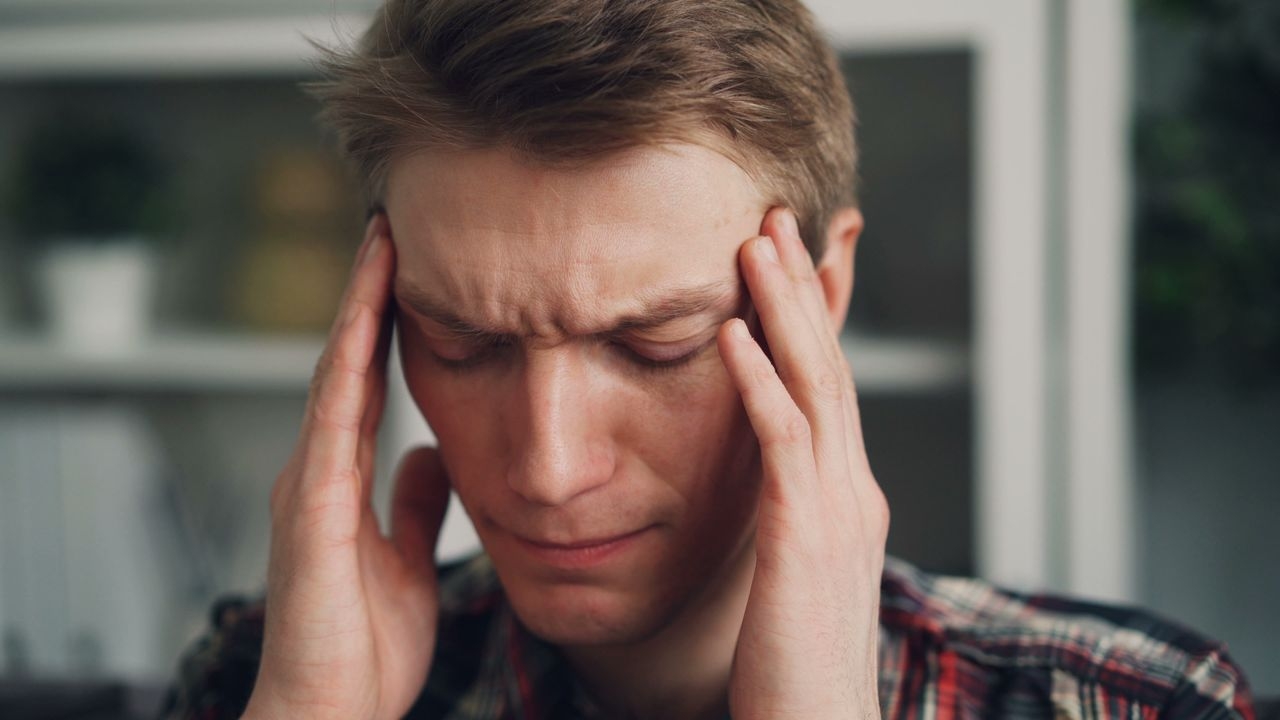
You forget an appointment that has been on the calendar for a week. You walk into a room and cannot remember why you went there. You leave something cooking longer than you intended or realize hours later that you never returned an important phone call.
If these problems began after an accident involving a head injury, you may already be wondering whether your memory has changed.
But memory problems are not the only changes that can follow a traumatic brain injury (TBI). A TBI can affect how you think and concentrate, how you feel physically and emotionally, and even your vision, hearing, sense of smell, or sense of taste.
Some of those changes are easy to overlook, especially when you are focused on more obvious injuries.
Recognizing and discussing these changes with your healthcare providers can help them evaluate what you are experiencing while also creating a more complete record of how the injury is affecting your everyday life.
Is Memory Loss the Only Cognitive Problem After a TBI?
No. Memory trouble is one of the more recognizable cognitive complaints after a brain injury, but thinking problems can take several forms.
You may have trouble concentrating through a meeting, organizing several tasks, or remembering instructions you would have handled easily before the accident. Reading or working on a computer may take longer because you lose your place or have to reread information.
Some people describe feeling mentally foggy or slowed down. Others have difficulty finding the word they want, expressing a thought, following a conversation, or navigating a familiar route.
These problems can become more noticeable when you return to ordinary responsibilities. A task that once required little thought may suddenly require considerably more effort.
That distinction matters.
Saying “my memory is bad” gives only part of the picture. Explaining that you became lost driving to a familiar place, repeatedly forgot conversations, or could no longer keep track of several steps in a work assignment gives a healthcare provider much more useful information about what changed.
What Other Physical and Emotional Changes Can Follow a TBI?
Changes after a traumatic brain injury are not limited to thinking and memory.
A TBI can also involve physical symptoms such as headaches, dizziness, balance problems, and fatigue. Some symptoms begin soon after the injury, while others become noticeable later or stand out more as you try to return to your usual routine.
Emotional or behavioral changes can be significant as well.
You may become irritated more easily, feel unusually emotional, experience mood changes, or struggle with anxiety or depression. In some cases, a family member may notice changes in your mood, behavior, or communication that you have not yet recognized yourself.
That does not mean every headache, mood change, or episode of dizziness is necessarily caused by a brain injury. These symptoms can have other explanations, and determining their cause is a medical question.
What matters is recognizing a meaningful change after the accident and giving your healthcare providers enough information to evaluate it.
What If Your Vision or Hearing Changes After a Head Injury?
Not every problem after a head injury feels like a problem with memory or concentration. Vision and hearing changes can also occur after a TBI or other head trauma.
You might notice that your vision becomes blurry or that your eyes tire after working at a computer. Reading for an extended period may bring on a headache. You may experience double vision or notice that focusing your eyes feels more difficult than it did before.
Hearing can change as well. You may find yourself increasing the television volume, struggling to follow conversations, experiencing ringing or other noises in your ears, or noticing that hearing feels different on one side.
These symptoms should not simply be assumed to result from a TBI. Head trauma can affect different structures and systems, and a medical professional may need to determine what is causing a particular problem.
Still, these changes belong in the conversation about what happened after the accident. If you focus only on memory, an important part of what you are experiencing may never be fully evaluated.
Can a Head Injury Change Your Sense of Smell or Taste?
Yes. Changes in smell or taste can occur after a traumatic brain injury or other head trauma.
You may notice that familiar foods do not smell the same, that odors seem weaker, or that food tastes different than it did before the accident. Sometimes the change is subtle enough that you adapt without immediately connecting it to the injury.
For example, you may start adding more seasoning to food because it seems bland.
Smell and taste problems can have causes unrelated to trauma, so they need appropriate medical evaluation. But if the change began after an accident involving your head, tell your healthcare provider rather than dismissing it as unrelated.
The same principle applies to vision, hearing, balance, language, concentration, and emotional changes. A change that seems minor by itself may still be important to mention when your healthcare provider considers your other symptoms and medical history.
Why Does It Matter to Describe Exactly What Has Changed?
After a serious injury, medical records can document what symptoms you reported, when you reported them, how they changed over time, and how they affected your daily functioning.
That is one reason specificity matters.
Instead of simply saying that you have “memory problems,” explain what those problems actually look like. Are you forgetting conversations? Repeating questions? Leaving familiar tasks unfinished? Having trouble following several steps in a work assignment?
The same applies to other changes. How long can you look at a screen before your eyes become tired? Are headaches interfering with your workday? Are you avoiding driving because of dizziness or visual problems? Has your family noticed differences in your mood or communication?
At the Law Offices of Harold J. Gerr, these are the kinds of details we would want to understand when reviewing how a serious injury has affected someone. Medical records, specialist evaluations, diagnostic testing when appropriate, employment records, and documented changes in work, driving, household responsibilities, or communication can help develop a clearer picture of the injury and its consequences.
The goal is not to assign a legal conclusion to every symptom. It is to understand what changed after the accident and what the available medical and factual evidence shows.
What Should You Do If You Still Do Not Feel Like Yourself After a Head Injury?
If you suffered a head injury and continue to have problems with memory, concentration, headaches, vision, hearing, balance, smell, taste, mood, or other functions, discuss those changes with an appropriate healthcare provider. New or worsening symptoms after a recent head injury should be medically evaluated promptly, and certain symptoms may require immediate emergency medical care.
It can also help to pay attention to the practical ways your life has changed. Difficulties at work, trouble managing household responsibilities, changes in driving, problems following conversations, and increased dependence on family members can reveal effects that are difficult to capture with a single description such as “memory loss.”
If your traumatic brain injury resulted from an accident and you have questions about your legal options, the Law Offices of Harold J. Gerr can review what happened, your medical documentation, how the injury has affected your daily life, and the evidence relevant to determining responsibility.
From our Highland Park office, we assist injured people and families in Mercer County, Middlesex County, Somerset County, and throughout New Jersey. When we discuss a potential claim, the full story of what has changed can matter just as much as the symptoms that were easiest to notice first.
If you would like to discuss what happened and the changes you have experienced since your injury, use our contact form to schedule a free consultation with our New Jersey catastrophic injury lawyers.
Disclaimer: The articles on this blog are for informational purposes only and are no substitute for legal advice or an attorney-client relationship. If you are seeking legal advice, please contact our law firm directly.