

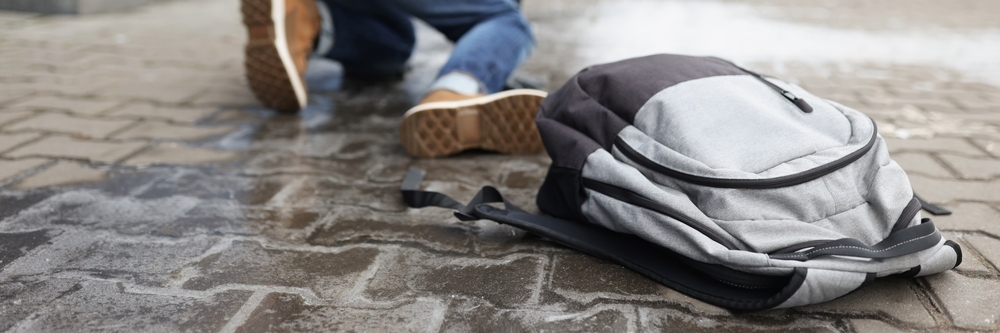
Winter in New Jersey often brings a mixture of snow and ice, and for many, it also brings the increased risk of a slip and fall accident. We know that these incidents are rarely just simple stumbles. A fall on a slick patch of ice or a poorly maintained walkway can lead to life altering injuries, including broken bones, spinal damage, or traumatic brain injuries. When these accidents occur on private property, the legal path forward can feel particularly complicated. You may be concerned about the implications of filing a claim against a neighbor, a friend, or a local business owner.
At The Law Offices of Harold J. Gerr, we believe that understanding your rights is the first step toward recovery. For more than four decades, we have stood by the residents of Highland Park and the surrounding communities, helping them navigate the complexities of premises liability law. In this guide, we examine the specific legal standards in New Jersey regarding slip and fall accidents on private property and the steps you should take to protect your future.
Understanding Premises Liability on Private Property in New Jersey
When we discuss private property in a legal context, we are generally referring to land or buildings owned by individuals or private entities. This includes single family homes, apartment complexes, retail stores, and private parking lots. In New Jersey, the responsibility of a property owner to keep their premises safe is known as premises liability.
The level of care a property owner owes you depends on your reason for being on the property. We categorize visitors into three main groups:
- Invitees, who are people invited for a business purpose. Owners owe the highest duty of care to them.
- Licensees, or social guests. Owners must warn them of known dangers that are not obvious.
- Trespassers. While owners generally owe them the least duty, they still cannot engage in willful or wanton conduct that creates an unreasonable risk of harm.
In a slip and fall case, we must prove that the property owner was negligent. This means showing that a dangerous condition existed and that the owner had either actual or constructive notice of the hazard. Constructive notice is a critical legal concept. It means that even if an owner denies seeing a patch of ice or a broken tile, they can still be held liable if the danger existed for a long enough period that a reasonable person should have discovered and fixed it.
In some self-service business settings, where customers regularly handle products or create foreseeable spills, New Jersey law may apply a ‘mode-of-operation’ theory. In those situations, an injured person may not need to prove the business had actual or constructive notice of the specific hazard in the same way. Whether this applies depends on how the area is used and how the hazard occurred.
The Specific Challenges of Residential Property Claims
If your fall happened at a private residence, the legal landscape is different than at a commercial business. New Jersey courts maintain a distinction regarding public sidewalks abutting a property. Following recent rulings, including Padilla v. Young Il An, New Jersey courts have made clear that commercial property owners (including owners of vacant commercial lots) generally owe a duty of reasonable care to maintain public sidewalks abutting their property in reasonably safe condition.
However, residential property owners in New Jersey are generally not held to this same standard for public sidewalks. They are typically not liable for injuries caused by natural wear and tear or the elements on a public walkway unless they took an action that created a new hazard. That being said, they are certainly not immune from liability for accidents that occur on their actual property.
If a homeowner creates a dangerous condition or fails to address a known hazard on their immediate premises, such as a rotted wooden step or a hidden hole in the lawn, they can be held responsible. One of the most common issues involves ice and slick surfaces. While New Jersey law provides leeway for homeowners to clear property after a storm, they must act reasonably. If a homeowner clears snow in a way that creates a new danger, such as piling it where it melts and refreezes into black ice across a private walkway, we may be able to demonstrate negligence.
The Friend and Neighbor Barrier
One of the most common reasons people hesitate to seek legal help after a fall on private property is the personal relationship they have with the owner. You may worry that filing a claim will cause financial hardship for a friend or neighbor. In many cases, compensation is pursued through the property owner’s homeowners or renters insurance rather than directly from personal savings. Coverage depends on the policy and the facts, but this is often why these policies exist.
We handle these situations with the utmost sensitivity, ensuring that you receive the funds necessary for your medical recovery while allowing the insurance companies to carry the financial weight.
Why the Snow and Ice Rule Matters
New Jersey follows what is often referred to as the reasonable care standard for snow and ice removal. We understand that a property owner cannot stop the snow while it is falling. Generally, owners are given a reasonable amount of time after a storm ends to clear paths and apply salt or sand.
The complexity arises when we define what is reasonable. Was the storm over for six hours or sixty hours? What did the owner do after the precipitation stopped? We look closely at these details along with whether the condition was pre-existing or made worse by the owner’s actions, because they often form the foundation of a claim. Private property owners who neglect walkways for an extended period after a blizzard may be found liable, depending on timing, conditions, and what was reasonable under the circumstances.
Immediate Steps to Take After a Slip and Fall Injury
The actions you take in the minutes and days following a slip and fall are vital. At The Law Offices of Harold J. Gerr, we often work with clients to secure and preserve evidence that might otherwise be lost. We recommend that you follow these steps to ensure both your physical health and your legal rights are protected:
- Seek Medical Attention: Even if you feel fine, adrenaline can mask serious injuries. A medical professional creates a formal record of your injuries, which is a cornerstone of any legal claim.
- Document the Scene: Use your phone to take photos of the exact spot where you fell. Take pictures of the ice, the broken pavement, or the lack of lighting. These images provide frozen in time evidence that property owners often fix shortly after an accident.
- Identify Witnesses: Get the names and contact information of anyone who saw you fall. Witness accounts are often viewed as more objective than statements from the involved parties.
- Preserve Evidence: Keep the clothing and shoes you were wearing. Do not wash them. In some cases, the defense may argue your footwear was inappropriate for the weather.
- Report the Incident: Notify the property owner or manager as soon as possible, but keep the conversation brief. State that you fell and are injured without apologizing or admitting fault.
Dealing with Insurance Companies and Comparative Negligence
It is common for the property owner’s insurance company to contact you shortly after the accident. Their primary goal is to settle the claim for as little as possible. We strongly advise that you do not provide any statements or sign any documents without consulting a New Jersey premises liability attorney first.
New Jersey also follows a modified comparative negligence rule. New Jersey’s "51% Rule" means that as long as you are not more than 50 percent at fault, you can still recover damages, though your compensation will be reduced by your percentage of fault. We work diligently to ensure that the property owner is held fully accountable and that your role in the accident is not unfairly exaggerated.
Frequently Asked Questions About NJ Private Property Falls
To ensure you have a complete understanding of your rights, we have compiled answers to the most common questions our clients ask regarding slip and fall accidents on private property. These insights are designed to help you make informed decisions as you consider your next steps.
1. How long do I have to take legal action after a slip and fall?
In New Jersey, the statute of limitations for most personal injury claims is two years from the date of the accident. If your fall occurred on a walkway considered public or government property, you may have as little as 90 days to file a formal Notice of Claim. Because the distinction between private and public property lines can be blurry, we recommend consulting with legal counsel as soon as possible to ensure you have a clear understanding of the deadlines for your case.
2. Can I still recover compensation if the hazard was open and obvious?
Property owners often argue that a hazard like a large patch of ice was open and obvious and should have been avoided. While this defense can be strong, it does not automatically disqualify your claim. A jury may still find the property owner responsible for failing to remediate the danger.
3. What is the "Ongoing Storm Doctrine"?
This rule generally protects property owners from liability while a storm is still in progress. Landowners are usually granted a reasonable amount of time after the precipitation stops to address snow and ice. Courts focus on reasonableness, and local ordinances may be considered as one factor when evaluating timing and efforts. That said, if an owner’s pre-existing negligence made the property more dangerous, or if they took actions during the storm that increased the hazard, they may still be liable.
4. Will my medical bills be covered twice if I have my own health insurance?
New Jersey has a collateral source statute (N.J.S.A. 2A:15-97) that is designed to prevent double recovery. In many cases, certain ‘duplicate’ benefits paid by health insurance or other sources may be deducted from parts of a court award, subject to statutory exceptions and credit for certain premiums paid. Even when deductions apply, you can still pursue compensation for losses that insurance does not fully cover.
Contact The Law Offices of Harold J. Gerr Today for a Consultation About Your Case
We understand that a slip and fall can be a confusing and overwhelming experience, especially when it occurs on property owned by someone you know. Our goal is to provide the steady guidance you need to focus on your recovery while we handle the legal complexities of your claim. With over 40 years of experience serving the residents of Highland Park, New Brunswick, Edison, and communities throughout Central New Jersey, we have the local knowledge and legal resources to help you move forward.
If you have questions about your rights or the next steps to take, we invite you to reach out to us for a conversation. We take a personal interest in every individual we represent, ensuring you receive the attention and advocacy you deserve during this difficult time. Because we work on a contingency fee basis, you can seek professional legal support without any upfront costs. You only pay attorney fees if we successfully recover compensation on your behalf.
Please call our office at 732-537-8570 or visit our website to schedule your free initial consultation. We are ready to listen to your story and help you secure the justice you deserve.
Disclaimer: The articles on this blog are for informative purposes only and are no substitute for legal advice or an attorney-client relationship. If you are seeking legal advice, please contact our law firm directly.