

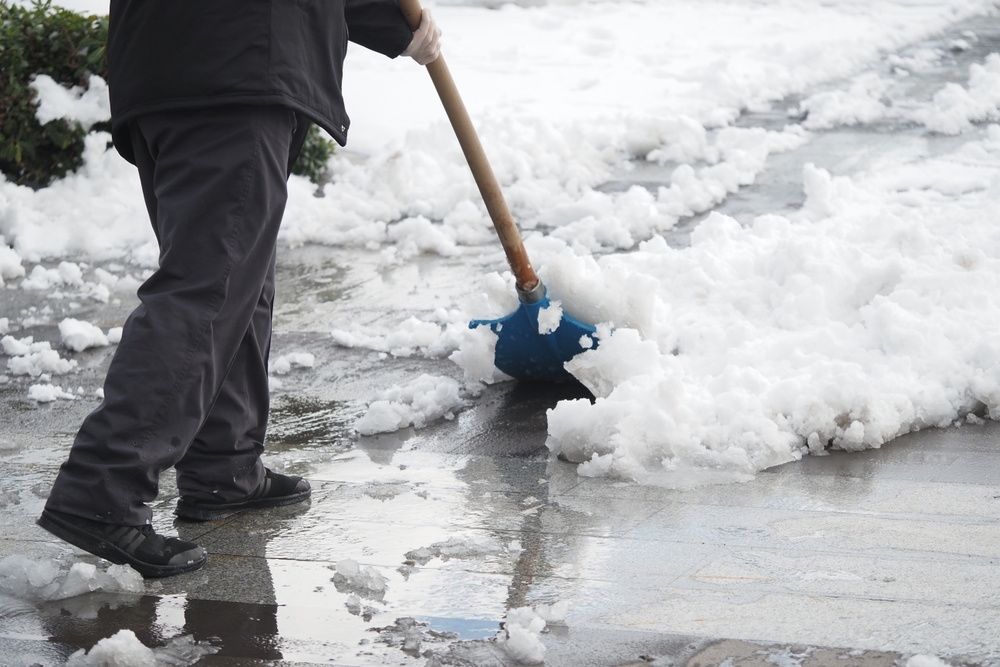
Winter in New Jersey does not just change the scenery. It changes the physical demands many workers face. Whether you are a warehouse employee clearing a loading dock, a retail worker salting a storefront, or a maintenance professional managing an apartment complex, snow and ice duties are often simply “part of the job.”
But snow removal can turn dangerous in an instant. If you were injured shoveling snow at work in New Jersey, the steps you take early can protect both your health and your claim.
One heavy shovel-full of wet snow, one patch of black ice, or one long shift in freezing temperatures can lead to serious injuries. You may be dealing with a herniated disc, a torn rotator cuff, or concussion symptoms. When you are in pain and your ability to earn a paycheck is suddenly at risk, it is normal to feel overwhelmed.
At the Law Offices of Harold J. Gerr, we regularly help Central New Jersey workers understand what benefits may be available after a winter work injury and what steps to take next. Most people immediately wonder:
- How do I get medical care?
- How do I cover bills if I can’t work?
- Is workers’ compensation my only option?
In New Jersey, workers’ compensation is often the first and most important route, but it is not always the only one. Details like where the injury happened, what you were doing, what equipment you were using, and who controlled the property can affect your legal options.
Winter Work Injuries: Not Just Slip and Falls
When people think of a “snow-related injury,” they usually picture a dramatic slip on ice. Those accidents are common, but many of the most serious winter injuries are quieter and develop from strain and repetitive stress.
Common Injuries Tied to Snow and Ice Duties at Work
You may have a compensable workers’ comp claim if you experienced:
- Overexertion and soft tissue injuries: Shoveling heavy snow involves repetitive lifting, twisting, and pushing. This can contribute to severe back strains, herniated discs, and shoulder or knee injuries, such as torn ligaments or rotator cuff damage.
- Impact injuries from falls: A fall onto a frozen parking lot or walkway can lead to broken wrists, fractured hips, or head injuries, including concussions.
- Cold exposure and related complications: Extended exposure to extreme cold can sometimes lead to frostbite or aggravate certain underlying conditions when the job’s cold exposure and physical demands materially contribute.
- Aggravation of pre-existing conditions: If you had a prior back or shoulder problem that was manageable, but snow removal duties caused it to worsen, you may still have a valid claim under New Jersey workers’ compensation rules.
If you are trying to “work through” a dull ache, be cautious. Many winter injuries worsen within the first 24 to 72 hours, and delays in medical evaluation can complicate both recovery and your claim.
Injured Shoveling Snow at Work in New Jersey: Why Workers’ Comp Is Usually the First Path
If your injury happened while you were performing job duties, the New Jersey workers’ compensation system is typically the primary remedy. It is designed to provide medical treatment and wage benefits without requiring you to prove fault.
Workers’ Comp Is a No-Fault System
In most personal injury cases, you must show someone acted negligently. Workers’ compensation works differently. If you were injured in the course of employment, benefits are generally available even if no one meant for the accident to happen.
The Exclusive Remedy Rule (and Why It Matters)
Workers’ comp comes with a tradeoff. In most situations, you cannot sue your employer for negligence for a workplace injury, even if the lot was poorly maintained or the equipment provided was not ideal. Workers’ comp generally does not include pain and suffering damages. A narrow exception may apply in rare “intentional wrong” situations.
Once you understand why workers’ comp is usually the first path, the next question is what it can actually cover.
What Benefits Can Workers’ Comp Provide?
Under New Jersey workers’ compensation rules, an injured worker may qualify for:
- Medical treatment: Necessary and reasonable medical care related to the work injury is generally covered. In New Jersey, the employer or insurance carrier typically controls which doctor you see for authorized treatment.
- Temporary disability (wage) benefits: Under NJ workers’ compensation, wage benefits generally begin after a seven-day waiting period (medical care is still covered). If the disability lasts more than seven days, benefits are typically paid retroactive to the first day of lost time, subject to statutory minimums/maximums.
- Permanent disability benefits: If your injury causes lasting impairment, even if you return to work, you may be eligible for an award based on the severity and impact of the permanent condition.
What to Do in the First 72 Hours After a Snow Removal Injury
The steps you take right away can make a major difference. Snow and ice injuries are frequently disputed by insurers as “pre-existing” or “not work-related,” especially when symptoms worsen over time. Your goal is to create a clear record early.
In our workers’ compensation practice, we often see snow and ice injuries questioned as pre-existing or non-work-related, which is why early reporting and documentation matter so much.
1. Report the Injury Immediately
Do not wait to see if the pain fades. Report the injury to a supervisor as soon as possible. Under New Jersey law, giving prompt notice matters, especially if your employer did not already have actual knowledge of what happened. In NJ, if your employer didn’t already have actual knowledge of the injury, delays in notice can affect when benefits become payable.
Waiting too long can create avoidable disputes and, in some situations, may put benefits at risk. If you can, follow up in writing (text or email) so you have a time-stamped record.
2. Describe the Task Clearly
Be specific when reporting the injury and when speaking with medical providers. Instead of “My back hurts,” use language like: “I felt a sharp pain in my lower back while lifting a heavy shovel-full of snow in the north parking lot” specificity helps establish the connection between your job duties and the injury.
3. Seek Authorized Medical Care
In New Jersey, your employer typically directs authorized medical treatment for a workers’ comp claim. Ask where you should go. If you seek treatment on your own without authorization, the carrier may dispute payment of those bills, unless it is a true emergency. Other limited exceptions may apply, and the facts matter.
If you disagree with the treatment plan, or if needed care is being denied or delayed, you can take steps through the New Jersey workers’ compensation process to request authorization and address disputes.
If it is an emergency, go to the ER first. Then notify your employer as soon as you are stable.
4. Document the Scene (if You Safely Can)
Photos can be extremely helpful. If you are able, or if a coworker can assist, take pictures of the icy or hazardous area, snow piles or refrozen runoff, tools or equipment involved, and lighting conditions and warning signage (or lack of it). Documentation matters even more if a third party may be responsible.
For many workers, a workers’ comp claim is the main path. Still, snow and ice injuries sometimes involve hazards created or controlled by someone other than your employer. That is one reason it helps to look closely at who owned or maintained the area where the injury happened, not just what task you were assigned.
When Workers’ Comp Is Not the Only Option: Third-Party Claims
Even though you generally cannot sue your employer, you may have a separate claim against a third party, meaning someone other than your employer whose negligence contributed to the dangerous conditions.
You may have a third-party injury claim in some situations, for example, if:
- An outside snow or ice contractor created or failed to address the hazard
- The property owner or manager is separate from your employer
- Defective equipment contributed to the injury
Not every winter work injury supports a third-party case. These claims depend on who controlled the area, what caused the hazard, and what responsibilities were assumed by contract.
Why this matters: Workers’ comp is limited. A successful third-party claim may allow recovery for damages workers’ comp does not cover, including a broader range of wage-loss damages than workers’ comp, pain and suffering, and other losses related to the injury’s long-term impact.
A third-party claim can sometimes run alongside a workers’ comp case, but the coordination matters, and mistakes can be costly. In some cases, a third-party recovery may also involve reimbursement issues with the workers’ compensation carrier, which is another reason coordination matters.
Why Legal Guidance Can Make a Difference
Many people assume workers’ comp is automatic or simple. In practice, insurers often challenge winter work injuries, especially back, shoulder, and head injuries that can worsen after the initial incident.
Legal counsel can help address common issues such as:
- Delays in medical authorization
- Independent Medical Exams (IMEs)
- Ensuring the settlement reflects the real impact
Timing matters. Even if you are focused on getting medical care and getting back to work, do not ignore deadlines. In many cases, a formal New Jersey workers’ compensation claim petition must be filed within two years of the date of injury or the date of the last payment of compensation (including certain medical payments), whichever is later.
Injured Shoveling Snow at Work in New Jersey? Talk to a Workers’ Comp Lawyer
You do not have to handle the aftermath of a winter workplace injury alone. Whether your case is a straightforward workers’ comp matter or involves a third-party claim (such as negligent property management or an outside contractor), early guidance can help you protect your rights while you focus on recovery.
At the Law Offices of Harold J. Gerr, we take the time to listen to what happened and evaluate every detail, including whether workers’ compensation is the only path forward. Our office is located in Highland Park and serves Central New Jersey communities including New Brunswick, Edison, Somerset, South River, Sayreville, Metuchen, East Brunswick, South Plainfield, Old Bridge, Perth Amboy, Fords, Middlesex, Iselin, Bound Brook, and Colonia, and surrounding areas.
If you were injured shoveling snow at work in New Jersey, contact us to schedule a free consultation.
FAQs: Winter-Related Work Injury Claims
1. Can you get workers’ comp if you already had a back or shoulder issue?
Often, yes. If work duties worsened or aggravated a prior condition, it may still be compensable. Reporting the injury promptly and making sure the medical notes connect your symptoms to the work task can be critical.
2. What if you were injured in a parking lot or on a sidewalk outside the building?
You may still qualify for workers’ comp if you were performing job duties. You may also have a separate claim if the area was controlled or maintained by someone other than your employer, such as a property management company.
3. Can you sue the snow removal company or property manager?
Possibly. If a third party created the hazard or failed to address dangerous snow and ice conditions, you may have a personal injury claim in addition to workers’ compensation. These cases depend heavily on who controlled the area and what the maintenance responsibilities were.
4. Do you have to see the employer’s doctor in New Jersey?
In many cases, yes. The employer or insurance carrier typically selects authorized providers for workers’ comp treatment. If it is an emergency, go to the ER first, then notify your employer as soon as you can.
5. What should you do if the insurance company delays treatment approval?
Keep written records of your requests, symptoms, and missed work time, and follow up regularly. If delays continue, legal action may be available to seek authorization of necessary care.
Disclaimer: This article is for informational purposes only and does not constitute legal advice or create an attorney-client relationship. For advice about your specific situation, contact an attorney directly.