

A car accident can leave you shaken even when the cause seems obvious. When another driver clearly caused the crash, most people at least know where to direct their frustration. It can feel much more confusing when the road itself may have played a role.
Maybe your car hit a pothole on the way to work. Maybe you lost control after driving through standing water, broken pavement, or an unmarked construction area. Maybe poor signage, a dangerous shoulder, or an unsafe intersection contributed to what happened. After the initial shock wears off, many injured drivers are left asking the same questions: Was this just bad luck? Was someone responsible for fixing the problem? Do I have any legal options?
In New Jersey, the answer may be yes, but these cases are rarely straightforward and often depend on very specific facts. The presence of a defective road condition does not automatically mean there is a valid car accident claim. Whether you may be able to recover compensation often depends on what caused the hazard, who controlled the roadway, whether the responsible party created the condition or had enough notice of it to respond, and how clearly it contributed to the crash.
At the Law Offices of Harold J. Gerr, we know how stressful these situations can be. Our role is to help you cut through the uncertainty and evaluate whether a dangerous roadway condition may support a claim in your specific case.
Could a Dangerous Road Condition Really Have Caused Your Crash?
Most people think of accidents as the result of speeding, distraction, or reckless driving. Those causes are common, but they are not the only ones. In some crashes, the condition of the roadway itself may be part of the story, and that possibility should not be ignored when you are trying to understand what happened.
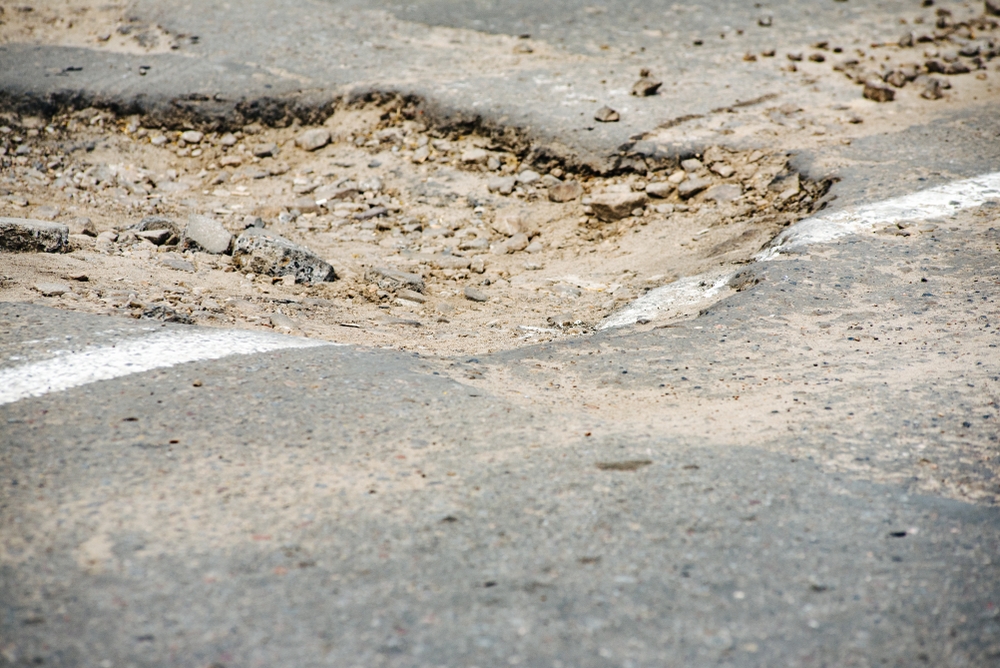
A serious pothole can damage a tire, affect steering, or cause a driver to lose control. Poor drainage can lead to standing water and hydroplaning. Broken pavement, missing or obscured signs, malfunctioning traffic signals, poorly marked construction zones, inadequate lighting, and dangerous shoulders can all increase the risk of a crash.
That matters in Central New Jersey, where drivers regularly travel congested local roads and major commuter routes near Highland Park, New Brunswick, Route 1, Route 18, and surrounding areas. On heavily traveled roads, even a single hazard can have serious consequences — and if one contributed to your crash, it deserves a careful legal look.
Can You Sue After a Dangerous Road Condition Accident in New Jersey?
Possibly.
If a dangerous road condition contributed to your crash, there may be a valid claim against the party responsible for designing, maintaining, repairing, or controlling that roadway. These cases are rarely simple, and the outcome will depend heavily on the specific facts involved. In some cases, one party created the hazard. In other cases, a government entity may have had notice of it or may be alleged to have had enough notice to respond.
Sometimes both a negligent driver and a roadway defect contributed to the same collision. When a public entity may be involved, these claims can also be subject to strict notice requirements and other legal protections that do not apply in every ordinary car accident case.
The key point is this: the legal question is not simply whether the road was in poor condition. The question is whether the condition was serious enough and sufficiently connected to the crash to support a claim under New Jersey law.
That usually requires a close look at several issues, including where the crash happened, what hazard was present, who was responsible for the roadway, whether the condition was created or existed long enough to put the responsible party on notice, and whether that condition actually contributed to the collision and resulting injuries.
In other words, these are fact-specific cases. These are not claims to treat casually, and they are not claims injured people should assume are impossible.
What Kinds of Road Hazards May Raise Serious Liability Questions After a New Jersey Crash?
Not every rough stretch of pavement will support a claim. New Jersey drivers know that roads are not always perfect. Even so, some conditions deserve closer attention, especially when they contribute to a serious car accident and leave you dealing with injuries, expenses, and uncertainty about what to do next.
Examples may include:
- Large potholes or broken pavement
- Poorly maintained road surfaces
- Inadequate drainage or significant water buildup
- Missing, damaged, or obstructed traffic signs
- Malfunctioning traffic lights
- Dangerous road design or layout issues
- Poorly marked construction areas
- Dangerous shoulders, drop-offs, or crumbling edges
- Inadequate lighting in areas where visibility matters
- Debris left in the roadway
The stronger cases usually involve more than a driver simply saying, “The road was bad.” In a strong case, the evidence should show what the hazard was, where it was located, how it contributed to the crash, who was legally responsible for the roadway or work at issue, and why the facts support liability under the circumstances.
Why Are Dangerous Roadway Accident Claims Often Harder Than They Look?
Many people assume that if a pothole or unsafe road contributed to a crash, the government must simply pay for the damage. Unfortunately, roadway cases are often more complicated than that, especially when you are already trying to manage injuries, missed work, and financial stress.
To start, we need to determine who controlled the road. Depending on the location, that may be a state agency, a county, a municipality, or another public authority. In some situations, a private contractor or another third party may also be involved. Identifying the right party matters because different procedures and deadlines may apply.
The legal standard in roadway cases can be demanding. It is not enough to point to a flaw in the road and assume that liability follows. When public property is involved, a claim may depend on whether the roadway was in a legally recognized dangerous condition, whether that condition proximately caused the crash, whether it created a foreseeable risk of that kind of injury, whether a public employee created it or the public entity had actual or constructive notice in time to respond, and whether the failure to protect against it was palpably unreasonable under New Jersey law. That is a higher bar than many people expect.
The evidence can change quickly. A pothole may be repaired. A sign may be replaced. A temporary construction setup may be removed. If the condition is not documented early, an important part of the case may be lost.
Insurance companies often push back hard in these cases. They may argue that the road condition was minor, that you should have avoided it, that weather was the real cause, or that another driver was solely responsible. Those arguments are one reason thorough investigation matters so much.
At the Law Offices of Harold J. Gerr, we treat that investigation as a priority from day one.
What Should You Do After a Crash Caused by a Pothole or Dangerous Road Condition?
If you believe a road hazard may have contributed to your crash, the steps you take afterward can make a meaningful difference. When you are hurt and overwhelmed, it helps to focus on a few practical priorities.
- Get medical attention as soon as possible: Your health comes first, and prompt care also helps document the connection between the crash and your injuries.
- Report the accident: When appropriate, contact law enforcement so there is an official record of the crash scene, location, and initial observations.
- Take photographs if you can do so safely: Try to capture the exact hazard, whether that is a pothole, broken pavement, standing water, debris, missing signage, poor lighting, or a construction-related issue. Take both close-up and wide-angle photos if possible.
- Document the location carefully: Street names, cross streets, landmarks, mile markers, or nearby businesses may all help identify the site later.
- Get witness names and contact information: If anyone saw the crash, try to get their contact information before they leave the scene.
- Preserve any available evidence: Damage to your tires, wheels, undercarriage, or vehicle body may help support your account of what happened.
- Be cautious when speaking with insurers: Early statements can be used to minimize your claim before the facts are fully understood.
- Speak with a New Jersey personal injury lawyer promptly: Claims involving dangerous road conditions can involve strict procedural requirements. If a public entity may be involved, New Jersey law generally requires notice within 90 days of accrual, so waiting can seriously damage a potential claim.
What if Another Driver Was Involved in the Crash Too?
That does not necessarily rule out a claim related to the roadway.
Some crashes have more than one contributing cause. A driver may hit a pothole, lose control, and strike another vehicle. A dangerous intersection may combine with a careless driving decision to produce a serious collision. In these situations, responsibility may be shared among more than one person or entity.
That is why it is important not to assume that the first explanation is the full explanation. A careful investigation may show that multiple factors contributed to the crash, and your legal strategy should reflect that possibility from the start.
What Compensation May Be Available if You Have a Valid Claim?
If a valid claim exists, the damages may involve much more than the cost of repairing your vehicle. Depending on the facts of the case, the available evidence, the parties involved, and the nature of the injuries, a successful claim may allow recovery for losses such as medical expenses, lost income, future treatment needs, property damage, and other related losses.
In some cases, pain and suffering or other non-economic damages may also be available, but that can depend on issues such as the seriousness of the injury and whether New Jersey’s limitation-on-lawsuit rules apply.
For many people, the hardest part begins after the crash itself. While you are trying to recover, the bills do not stop, the appointments pile up, and the pressure on your family does not pause. That is exactly why these cases deserve serious attention early on.
Don't Write Off a Claim Before You Have the Facts
If a road condition contributed to your crash, the most important thing you can do right now is act quickly. Evidence disappears. Deadlines are strict. And the facts that matter most are often the hardest to recover later. Getting a prompt legal review does not commit you to anything — but waiting can close doors that would otherwise be open.
Hurt in a Crash Involving a Dangerous Road? Talk to a New Jersey Personal Injury Lawyer
If you were hurt in a crash involving a pothole, broken pavement, poor drainage, unsafe road design, or another dangerous roadway condition in Mercer County, Middlesex County, Somerset County, or elsewhere in New Jersey, it is important to have the facts reviewed as soon as possible.
At the Law Offices of Harold J. Gerr, we understand the pressures you may be facing right now. You may be in pain, missing work, and trying to figure out whether the road, another driver, or both contributed to the crash. We are here to listen, investigate what happened, explain the legal issues involved, and help you understand whether you may have a claim under New Jersey law.
A dangerous road condition can leave you dealing with much more than a damaged car. Contact the Law Offices of Harold J. Gerr today for a free consultation so we can review what happened, explain your options, and discuss the next steps.
Disclaimer: The articles on this blog are for informative purposes only and are no substitute for legal advice or an attorney-client relationship. If you are seeking legal advice, please contact our law firm directly.